Interior Selective Demolition In Charlotte NC
Interior selective demolition in Charlotte, NC, presents a methodical technique for house owners seeking to restore. This process entails the mindful elimination of details components, preserving structural honesty while lowering waste. By concentrating on lasting techniques, selective demolition allows for the recycling of valuable materials. Understanding its advantages and procedures can greatly impact a restoration task. What are the vital aspects to review when starting this kind of restoration?
What Is Interior Selective Demolition?
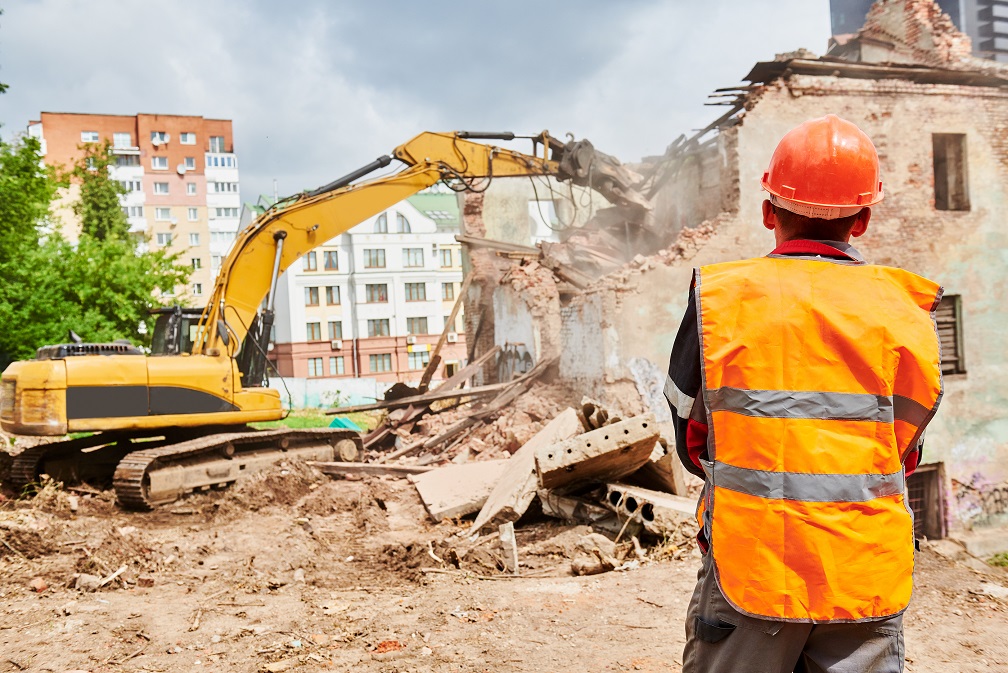
Typically, this process includes the removal of non-structural parts like wall surfaces, ceilings, flooring, and fixtures. Skilled experts utilize specialized methods and tools to accomplish specific results, focusing on safety and security and effectiveness. By selecting selective demolition, specialists can deal with details requirements without compromising the overall stability or visual of the building. This technique is particularly advantageous in urban environments, where space is minimal and maintaining surrounding structures is necessary. Ultimately, indoor selective demolition functions as a critical technique to modern-day building and construction and improvement tasks.
Advantages of Selective Demolition for Homeowners
Property owners can gain various advantages from employing selective demolition in their restoration tasks. This method permits the targeted removal of details components, such as wall surfaces, cabinets, or flooring, without jeopardizing the whole framework. By lessening unneeded damage, home owners can lower and preserve beneficial materials waste, lining up with lasting building techniques.
Selective demolition also improves security by decreasing the risk of architectural damage or hazardous product direct exposure during improvements. Additionally, it can cause cost financial savings, as homeowners may stay clear of the expense associated with full demolition and disposal.
This method permits for greater design versatility, enabling property owners to reimagine and tailor their areas according to individual choices. The ability to retain existing functions while making updates can produce a special blend of old and brand-new, eventually boosting the home's worth. Overall, selective demolition uses a functional service for home owners looking for effective and effective restorations.
The Selective Demolition Process
The selective demolition process includes a thorough method to deconstruction, concentrating on specific areas of a structure while preserving the stability of the surrounding components. This method is essential for tasks requiring mindful restoration or improvement without endangering nearby areas. At first, a complete evaluation of the website is carried out to identify which elements need removal and which needs to be protected.
As soon as the strategy is established, precaution are implemented to secure workers and the environment. Specialized devices and equipment are made use of to ensure accuracy in the demolition, reducing dust and particles. Proficient laborers carefully dismantle targeted areas, such as wall surfaces, components, or flooring, seeing to it that architectural assistances remain undamaged.
Throughout the procedure, continuous monitoring is important to resolve any type of unexpected difficulties. By highlighting mindful preparation and implementation, selective demolition not just facilitates remodelling yet likewise promotes sustainability with the accountable disposal and recycling of materials.
Common Projects That Use Selective Demolition
Selective demolition is often utilized in various projects, consisting of domestic improvements, where homeowners seek to improve their areas without a full teardown. Commercial spaces frequently go through reconfigurations to adapt to transforming company needs, making selective demolition a functional choice. Additionally, historical structure remediations take advantage of this approach, permitting the preservation of necessary architectural functions while upgrading insides.
Residential Improvement Projects
When starting on property restoration projects, numerous property owners find that selective demolition plays an essential function in achieving their style goals (legendary demolition charlotte reviews). This process permits home owners to properly get rid of certain aspects of a framework without compromising its overall stability. Typical applications include getting rid of out-of-date components, wall surfaces, or floor covering to produce an open flooring strategy or modernize insides. Selective demolition enables the installation of brand-new electric systems, plumbing, and cabinets while lessening waste and protecting recyclable products. Additionally, this approach is typically used in bathroom and kitchen remodels, where targeted removal can noticeably improve capability and appearances. By making use of selective demolition, homeowner can transform their areas while sticking to environmental factors to consider and monetary restraints
Industrial Space Reconfigurations
As businesses advance to satisfy transforming market demands, business area reconfigurations commonly require selective demolition to adapt existing designs. This process permits firms to optimize their operational efficiency by removing non-structural aspects such as partitions, ceilings, and floor covering, go to website creating even more practical areas. Usual tasks include changing open office settings, converting retail rooms into multi-functional areas, or reconfiguring dining establishments to boost customer flow. Selective demolition warranties marginal interruption to the bordering facilities, permitting businesses to proceed operations throughout improvements. By purposefully getting rid of obsolete features, business can better use their areas, boost worker collaboration, and boost consumer experiences. Ultimately, selective demolition plays an important function in giving contemporary, adaptable commercial atmospheres that align with current business approaches.
Historical Structure Repairs
Historic building reconstructions usually call for careful planning and implementation, particularly when integrating modern capabilities while protecting architectural integrity. Selective demolition acts as an important method in these tasks, enabling for the elimination of non-structural components, such as outdated components, walls, and partitions, without jeopardizing the structure's historical functions. This strategy decreases waste and lowers the risk of harmful initial products. Typical tasks include the restoration of old theaters, stockrooms, and municipal buildings, where preserving frontage information and one-of-a-kind craftsmanship is vital. By utilizing selective demolition, contractors can create useful rooms that honor the past while satisfying contemporary requirements, ensuring that these historic frameworks continue to be functional and relevant for future generations.
Environmental Factors To Consider in Selective Demolition
Selective demolition plays a vital function in minimizing ecological effects throughout improvement and building projects. This method allows for the mindful removal of specific structure components, such as walls, fixtures, and flooring, while maintaining the general structure and minimizing waste. By concentrating on deconstructing rather than traditional demolition, products can be salvaged and repurposed, considerably reducing landfill payments.
In addition, selective demolition promotes recycling and the usage of sustainable materials, lining up with environmentally friendly practices - legendary demolition charlotte near me. Harmful materials, such as asbestos or lead paint, can be recognized and securely eliminated, making sure compliance with ecological policies. This strategy not just alleviates potential wellness threats however likewise contributes to the conservation of regional ecosystems
Choosing the Right Contractor for Your Task
Selecting the ideal contractor for indoor selective demolition requires careful analysis of licenses and qualifications to ensure compliance with industry standards. In addition, reviewing previous project experience can provide understandings into the contractor's capacities and dependability. This procedure is essential for achieving effective project results.
Confirm Qualifications and Licenses
When starting on an indoor demolition task, verifying that the picked professional possesses the essential click here now qualifications and licenses is crucial. Appropriate licensing suggests that the contractor abides by local policies, security criteria, and sector best methods. This not only promotes depend on yet additionally protects homeowner from possible responsibility issues. It is important to verify that the specialist holds all required qualifications and permits specific to Charlotte, NC, as regulations can vary by area. Additionally, inspecting for insurance policy protection, including responsibility and workers' settlement, is essential. This coverage safeguards against any type of mishaps or damages that may happen during the demolition process. By prioritizing credential confirmation, customers can assure a smoother and much more secure task implementation.
Examine Previous Task Experience
Experience acts as a necessary sign of a contractor's capability in interior selective demolition tasks. Assessing a contractor's previous task experience provides understanding into their competence and dependability. It is essential to assess the array and scale of past tasks, as diverse experiences usually mirror analytic abilities in different settings. Potential clients must request study or recommendations that show effective completions, conformity with safety guidelines, and customer fulfillment. Additionally, seeing or assessing photographs completed sites can provide a substantial feeling of workmanship high quality. This extensive analysis warranties that the chosen specialist possesses the needed abilities and knowledge to take care of the specific demands of a selective demolition project, ultimately resulting in an extra satisfactory and efficient result.
Cost Variables to Think About in Selective Demolition
Comprehending the price aspects related to selective demolition is crucial for building owners and professionals alike, as these expenditures can differ considerably based upon a number of variables. Secret factors to consider consist of the scope of the job, the complexity of the demolition, and the products included. As an example, eliminating unsafe materials such as asbestos or lead paint commonly sustains higher prices because of specialized handling and disposal demands. Labor expenses additionally play a substantial duty; proficient labor might be essential for complex jobs, driving up costs.
Furthermore, the area and ease of access of the site can affect costs. Urban settings might offer logistical difficulties, needing extra devices and time. Disposal fees for debris and waste are another variable, particularly if the products are not recyclable. Project timelines can affect expenses, as expedited solutions may lead to boosted labor costs. Awareness of these factors enables even more exact budgeting for selective demolition tasks.
Regularly Asked Concerns
Exactly How Lengthy Does Interior Selective Demolition Commonly Take?
Commonly, interior selective demolition takes one to three weeks, depending on the task's size and complexity. Variables such as the level of products eliminated and site problems can affect the total duration significantly.
Is a License Required for Selective Demolition Jobs?
A license is typically required for selective demolition projects, relying on regional guidelines. It guarantees compliance with safety requirements and zoning regulations, securing both employees and the bordering neighborhood throughout the demolition process.
What Precaution Are Taken During Demolition?
Throughout demolition, stringent safety and security procedures consist of website assessments, safety equipment for workers, dirt control methods, correct handling of unsafe products, structural assessments, and adherence to local policies to guarantee a risk-free workplace throughout the project.
Can I Live in My Home Throughout the Demolition?
What Occurs to the Debris After Demolition Is Finished?
After demolition is completed, particles is typically arranged and classified for reusing or disposal. Salvageable materials may be repurposed, while non-recyclable waste is delivered to garbage dumps, guaranteeing correct ecological and safety and security regulations are adhered to.
Home owners can reap many advantages from utilizing selective demolition in their remodelling tasks. Selective demolition is often used in different jobs, including property restorations, where property owners seek to modernize their spaces without a full teardown. When beginning on property remodelling jobs, numerous building owners locate that selective demolition plays a vital function in achieving their style goals. Selective demolition plays a crucial function in minimizing ecological effects throughout renovation and building and construction tasks. Experience offers special info as an essential indicator of a service provider's ability in interior selective demolition projects.